
GLP-1 Weight Loss
GLP-1 receptor agonist medications mimic a natural gut hormone to regulate appetite, slow digestion, and promote significant weight loss.. ...
-
- Compounded Semaglutide
Compounded Semaglutide
- $200.00 – $500.00Price range: $200.00 through $500.00
- Select options This product has multiple variants. The options may be chosen on the product page
-
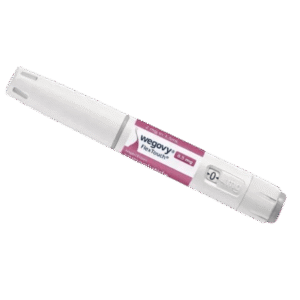
- Wegovy
Wegovy
- $400.00 – $450.00Price range: $400.00 through $450.00
- Select options This product has multiple variants. The options may be chosen on the product page
-
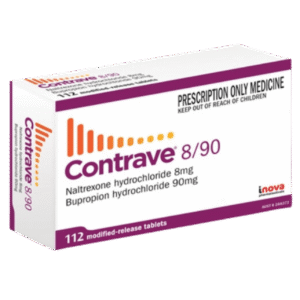
- Contrave
Contrave
- $230.00 – $400.00Price range: $230.00 through $400.00
- Select options This product has multiple variants. The options may be chosen on the product page
-
- Compounded Tirzepatide
Compounded Tirzepatide
- $350.00 – $800.00Price range: $350.00 through $800.00
- Select options This product has multiple variants. The options may be chosen on the product page
-
- Epitomee Weight Loss Capsules
Epitomee Weight Loss Capsules
- $400.00
- Select options This product has multiple variants. The options may be chosen on the product page
-
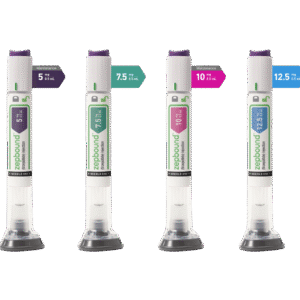
- Zepbound
Zepbound
- $550.00 – $975.00Price range: $550.00 through $975.00
- Select options This product has multiple variants. The options may be chosen on the product page
-
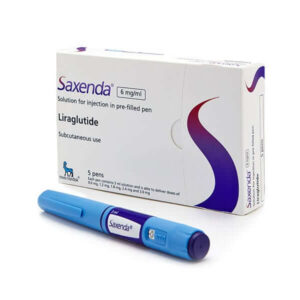
- Saxenda
Saxenda
- $425.00
- Select options This product has multiple variants. The options may be chosen on the product page
-
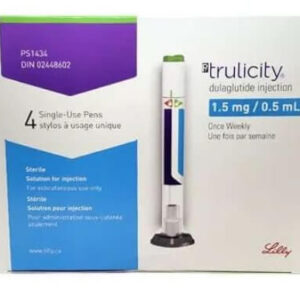
- Trulicity
Trulicity
- $300.00 – $330.00Price range: $300.00 through $330.00
- Select options This product has multiple variants. The options may be chosen on the product page
-
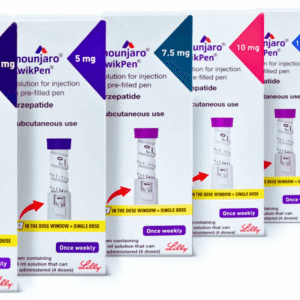
- Mounjaro
Mounjaro
- $550.00 – $1,000.00Price range: $550.00 through $1,000.00
- Select options This product has multiple variants. The options may be chosen on the product page
-
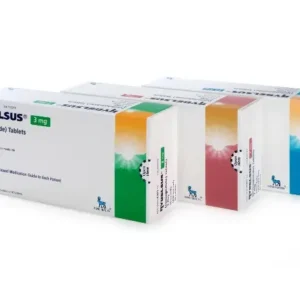
- Rybelsus
Rybelsus
- $400.00 – $450.00Price range: $400.00 through $450.00
- Select options This product has multiple variants. The options may be chosen on the product page
-
- Ozempic
Ozempic
- $200.00 – $300.00Price range: $200.00 through $300.00
- Select options This product has multiple variants. The options may be chosen on the product page


GLP-1 Weight Loss Medications
GLP-1 weight loss medications mimic a natural gut hormone that regulates appetite, slows digestion and supports healthier blood sugar. Explore prescription GLP-1 options, including semaglutide, tirzepatide, liraglutide and the newer oral GLP-1 pills. Compare treatments, review pricing ranges and learn how our medical team creates a personalized weight management plan. A clinician review is required, and results vary from person to person.
Wegovy (Semaglutide) for Weight Loss
Wegovy (semaglutide) is an FDA-approved prescription medication for chronic weight management in adults with obesity, or overweight with a weight-related condition. Taken alongside a reduced-calorie diet and more physical activity, it helps reduce appetite and support lasting weight loss. Wegovy is also approved to lower cardiovascular risk in certain adults. Learn about dosing, side effects and eligibility, then connect with our clinicians to see whether Wegovy fits your health goals.
Foundayo (Orforglipron) Weight Loss Pill
Foundayo (orforglipron) is a once-daily oral GLP-1 weight loss pill approved by the FDA in April 2026 for adults with obesity, or overweight with weight-related health problems. Unlike some oral options, it can be taken at any time of day without food or water restrictions. In clinical trials, adults on the highest dose lost an average of about 11% of body weight over 72 weeks. Ask our team if this needle-free option suits you.
Contrave (Naltrexone/Bupropion) for Weight Management
Contrave combines naltrexone and bupropion in an extended-release tablet that works on the brain’s appetite and reward pathways to help reduce hunger and cravings. It is an FDA-approved, non-injectable prescription option for chronic weight management when paired with diet and exercise. Contrave carries a boxed warning about suicidal thoughts and behaviors, so a full medical review is essential. Learn who may qualify, common side effects and typical pricing.
Qsymia (Phentermine/Topiramate) Weight Loss Capsules
Qsymia combines phentermine and topiramate in a once-daily extended-release capsule approved for chronic weight management in adults. The two ingredients work together to reduce appetite and increase feelings of fullness. Qsymia must not be used during pregnancy because of a risk of birth defects, and it is only prescribed after a careful medical evaluation. Discover how Qsymia compares with GLP-1 medications and whether it could suit your weight loss plan.
Ozempic (Semaglutide) for Type 2 Diabetes
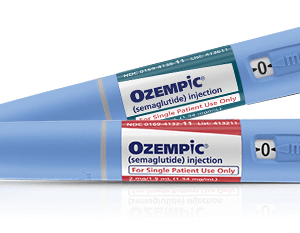
Ozempic (semaglutide) is a once-weekly injection approved to improve blood sugar control in adults with type 2 diabetes. It is also approved to reduce the risk of major cardiovascular events in certain adults with diabetes and heart disease. Ozempic is not FDA-approved specifically for weight loss, although weight reduction is a common effect. Talk with our medical team about whether Ozempic or Wegovy is the right semaglutide option for your health needs.
Zepbound (Tirzepatide) for Weight Loss
Zepbound (tirzepatide) is a once-weekly injection that activates both GIP and GLP-1 receptors to help reduce appetite and support significant weight loss. It is FDA-approved for chronic weight management in adults with obesity, or overweight with a related condition, and for moderate to severe obstructive sleep apnea in adults with obesity. In a major 72-week trial, higher doses produced average weight loss of around 20%. Individual results vary.
Saxenda (Liraglutide) for Weight Management
Saxenda (liraglutide 3 mg) is a daily injectable GLP-1 medication approved for chronic weight management in adults with obesity, or overweight with a weight-related condition. It helps reduce hunger and increase fullness when combined with a reduced-calorie diet and regular exercise. Saxenda has a long safety record and may suit people who prefer a daily routine or cannot use a weekly option. Review dosing, side effects and pricing with our clinicians.
Rybelsus (Oral Semaglutide) for Type 2 Diabetes
Rybelsus is an oral semaglutide tablet approved to improve blood sugar control in adults with type 2 diabetes. Taken once daily on an empty stomach with a small sip of water, it offers a needle-free alternative to weekly injections. Rybelsus is not approved specifically for weight loss, though some people lose weight while taking it. Find out how Rybelsus compares with the oral Wegovy pill and other GLP-1 options.
Orlistat (Xenical, Alli) Fat-Blocking Weight Loss
Orlistat is a lipase inhibitor that blocks the absorption of roughly a quarter of the fat you eat, helping support modest weight loss alongside a reduced-calorie, lower-fat diet. Prescription-strength orlistat (Xenical, 120 mg) and over-the-counter Alli (60 mg) are both available. Common side effects include oily stools and urgency, which usually improve with lower-fat meals. Ask our team whether orlistat fits your plan.
Phentermine (Adipex-P, Lomaira) Appetite Suppressant
Phentermine is a prescription appetite suppressant approved for short-term use, typically a few weeks, alongside diet, exercise and behavior change. It works as a stimulant, helping reduce hunger and increase energy. Because phentermine can raise heart rate and blood pressure, a full health review is required, and it is not suitable for everyone. Learn about eligibility, side effects and how phentermine compares with newer GLP-1 medications.
Mounjaro (Tirzepatide) for Type 2 Diabetes
Mounjaro (tirzepatide) is a once-weekly injection approved to improve blood sugar control in adults with type 2 diabetes. It targets both GIP and GLP-1 receptors, and many people also experience weight loss. Mounjaro is not FDA-approved specifically for weight loss, while the same active ingredient is approved as Zepbound for that purpose. Our clinicians can help you understand the difference and choose the appropriate option.
Peptide Therapy and Weight Management
Peptides are short chains of amino acids that act as signaling molecules in the body, and several FDA-approved weight loss and diabetes medications, including semaglutide, tirzepatide and liraglutide, are peptide-based. Explore how peptide therapy fits into medically supervised weight management. Only treatments prescribed after a clinician evaluation are appropriate, and many peptides sold online are unapproved and unregulated. Ask our team which options are safe and evidence-based.
GLP-1 Weight Loss and Weight Management Care
If you have tried diet after diet and watched the weight return, the problem was probably never willpower. Body weight is shaped by hormones, appetite signals, genetics, sleep, stress, medications and metabolism. When these work against you, willpower alone is rarely enough.
Medical weight management takes that biology seriously. At Your Metabolic Solution, we help adults explore evidence-based weight loss options, including GLP-1 medications such as semaglutide and tirzepatide. We pair them with practical nutrition, activity and lifestyle support. This page explains how these treatments work, who may benefit, what to expect, and how to decide whether medical weight loss is right for you.
What Is Medical Weight Management?
Medical weight management treats excess weight as a chronic, multifactorial health condition rather than a personal failing. Instead of a one-size-fits-all diet, a clinician-led approach looks at the whole picture:
- Your health history and current medications
- Your body mass index (BMI), waist measurement and weight-related conditions such as prediabetes, type 2 diabetes, high blood pressure, high cholesterol or sleep apnea
- Your eating patterns, activity level, sleep and stress
- Your goals, preferences and previous weight loss attempts
From there, a licensed clinician can recommend a plan that may include prescription medication, nutrition guidance, movement goals and regular follow-up. The aim is sustainable weight loss and better metabolic health, not a quick fix that fades in a few months.
How GLP-1 Weight Loss Medications Work
GLP-1 stands for glucagon-like peptide-1, a hormone your gut releases after you eat. It helps regulate blood sugar, slows the rate at which food leaves your stomach, and sends fullness signals to the brain. GLP-1 receptor agonists are medications that mimic this hormone, and they influence weight in several ways:
- Reduced appetite. Many people notice fewer cravings and less “food noise,” the constant mental chatter about eating.
- Earlier fullness. Slower stomach emptying means smaller portions feel satisfying for longer.
- Better blood sugar regulation. More stable glucose and insulin responses can reduce energy crashes and the urge to snack.
Tirzepatide goes a step further. It activates both the GLP-1 receptor and the GIP receptor (glucose-dependent insulinotropic polypeptide), which is why it is often called a dual agonist. These medications are not a shortcut. They work best as a tool alongside healthy eating, movement and ongoing clinical support.
Weight Loss Treatment Options We Offer
Different medications suit different people. Here is an overview of the options you can explore with our medical team. Your clinician determines what, if anything, is appropriate for you.
Semaglutide (Wegovy)
Semaglutide is a GLP-1 medication taken as a weekly injection. Wegovy, the brand-name semaglutide approved for chronic weight management, is indicated for adults with obesity, or with overweight plus at least one weight-related condition. In clinical trials, participants taking semaglutide 2.4 mg alongside lifestyle changes lost an average of roughly 15% of their body weight over about 68 weeks. Individual results vary widely.
Tirzepatide (Zepbound)
Zepbound is the brand-name tirzepatide approved for chronic weight management. As a dual GIP and GLP-1 agonist, it showed average weight loss of around 20% at the highest dose in a large 72-week trial. It is also taken as a once-weekly injection, with the dose increased gradually to improve tolerability.
Liraglutide (Saxenda)
Saxenda is a daily injectable GLP-1 medication approved for weight management. It is an option for people who prefer a longer-established medication or who cannot use a weekly option. Average weight loss is typically lower than with semaglutide or tirzepatide, but it remains a clinically proven choice.
Contrave (Naltrexone/Bupropion)
Contrave is an oral prescription medication that combines two ingredients acting on the brain’s appetite and reward pathways. It may suit people who prefer a non-injectable option or who are not candidates for GLP-1 therapy.
Ozempic, Mounjaro, Rybelsus and Trulicity
Ozempic (semaglutide), Mounjaro (tirzepatide), Rybelsus (oral semaglutide) and Trulicity (dulaglutide) are approved to treat type 2 diabetes. Clinicians sometimes consider them for people with diabetes who also need to manage weight. If you are interested in one of these, your clinician will review whether it fits your health profile and the approved indications.
Compounded Semaglutide and Tirzepatide
Compounded medications are prepared by a compounding pharmacy for individual patients. They are not FDA-approved, and the FDA does not review them for safety, effectiveness or quality in the same way it reviews approved drugs. Regulations on compounding GLP-1 medications have changed considerably as national drug shortages ended, so availability depends on current rules and on your clinician’s judgment. Ask your provider to explain the differences between compounded and approved products, including dosing, sourcing and cost, before you decide.
Who May Be a Candidate for GLP-1 Weight Loss?
Prescription weight loss medications are generally considered for adults who meet one of these criteria:
- A BMI of 30 or higher (obesity), or
- A BMI of 27 or higher (overweight) with at least one weight-related health condition, such as type 2 diabetes, hypertension, high cholesterol or obstructive sleep apnea
Eligibility is more than a number on a scale. GLP-1 medications are generally not suitable for people who:
- Are pregnant, planning to become pregnant, or breastfeeding
- Have a personal or family history of medullary thyroid carcinoma or Multiple Endocrine Neoplasia syndrome type 2 (MEN 2)
- Have had a serious allergic reaction to the medication or its ingredients
- Have certain pancreatic, gallbladder or gastrointestinal conditions, depending on clinical judgment
A clinician must review your full history before prescribing anything. That is why a proper medical evaluation comes first.
Your Personalized Weight Loss Plan: How It Works
We keep the process simple and transparent.
Step 1: Complete your health assessment. Share your medical history, current medications, weight history and goals. Accurate information keeps you safe and helps us tailor your plan.
Step 2: Clinical review. A licensed medical professional reviews your information and determines whether prescription weight loss treatment is appropriate. They may request lab work or additional details.
Step 3: Choose your treatment path. If treatment is appropriate, you and your clinician discuss the options above, including benefits, risks, expected side effects, dosing schedule and cost.
Step 4: Start low, go slow. GLP-1 medications are usually started at a low dose and increased gradually. This approach helps your body adjust and reduces the likelihood of digestive side effects.
Step 5: Ongoing support and adjustments. Regular check-ins let your clinician monitor progress, manage side effects, adjust your dose and plan for the long term, including what happens when you reach your goal.
Why Lifestyle Still Matters on GLP-1 Medication
Medication can lower the barriers to healthy habits, but it does not replace them. The people who do best long term usually build routines while the medication is helping. Here are the pillars we encourage.
Prioritize protein
Rapid weight loss can include loss of lean muscle. Eating enough high-quality protein at each meal, from foods like eggs, fish, poultry, Greek yogurt, legumes and tofu, helps protect muscle and keeps you feeling full. Your clinician or dietitian can suggest a daily target suited to you.
Strength training and daily movement
Resistance training two to three times a week helps preserve muscle and supports metabolic health. Add regular walking and aim to reduce long periods of sitting. You do not need an intense program. Consistency matters more than intensity.
Eat smaller, nutrient-dense meals
Because you may feel full sooner, focus on whole foods, fiber, vegetables and fruit, and healthy fats. Eating slowly, stopping when satisfied, and limiting greasy, very sugary or heavily processed foods can reduce nausea and bloating.
Hydrate
Fluid intake matters, especially if you experience nausea, vomiting or diarrhea. Staying hydrated helps prevent dehydration, constipation and fatigue.
Protect your sleep and manage stress
Poor sleep raises hunger hormones, and chronic stress can drive emotional eating. Aim for consistent sleep and build in stress-management habits you enjoy, whether that is walking, breathing exercises, journaling or time outdoors.
Understanding Side Effects and Safety
Every effective medication has potential side effects, and you deserve to know them upfront. The most common side effects of GLP-1 medications are gastrointestinal:
- Nausea
- Vomiting
- Diarrhea or constipation
- Stomach pain, bloating or indigestion
- Reduced appetite, which is expected but can become excessive
These effects are usually mild to moderate and often improve as your body adjusts. Slow dose increases and smart eating habits help.
Less common but serious risks include pancreatitis, gallbladder problems, dehydration affecting the kidneys, and allergic reactions. Semaglutide and tirzepatide carry a boxed warning about thyroid C-cell tumors based on animal studies. Contact your clinician promptly or seek urgent care if you experience severe or persistent abdominal pain, repeated vomiting, a lump or swelling in the neck, trouble swallowing, or symptoms of an allergic reaction.
Medication is also not one-size-fits-all. Some people lose a great deal of weight, some lose moderately, and some do not respond. Stopping GLP-1 medication often leads to weight regain for many people, which is why a long-term plan matters from day one.
Why Choose Your Metabolic Solution for Weight Management Care?
Choosing a weight loss provider is a health decision, so look for the following, and expect to find it here:
- Clinician-led care. Treatment decisions are made by licensed medical professionals who review your history, not by a checkout page.
- Personalization. Your plan reflects your health profile, preferences and goals.
- Transparent options and pricing. You can compare treatment options and see pricing ranges before you commit.
- Honest expectations. We do not promise specific results. We explain what research shows and what can vary.
- Support that continues. Weight management is a long game, so we focus on follow-up, not just the first prescription.
- Convenient access. Reach our team through the website or WhatsApp with questions at any stage.
Frequently Asked Questions
How much weight can I lose with GLP-1 medication?
Results vary. In clinical trials, average weight loss ranged from about 15% of body weight with semaglutide 2.4 mg to around 20% with tirzepatide at the highest dose, alongside lifestyle changes. Some people lose more, others less, and a minority do not respond.
How long does it take to see results?
Many people notice reduced appetite within the first few weeks. Measurable weight loss typically builds over the following months as the dose is gradually increased. Most clinical trials ran well over a year.
Do I need a prescription?
Yes. GLP-1 and other prescription weight loss medications require evaluation and approval by a licensed clinician. Be cautious of any website that sells these medications without a medical review.
Is semaglutide or tirzepatide better?
Neither is universally better. Tirzepatide has shown greater average weight loss in trials, while semaglutide has strong evidence including cardiovascular benefits in certain patients. Your clinician will consider your health profile, preferences, tolerance, insurance coverage and budget.
Will I regain weight if I stop?
Many people do regain some or most of the weight after stopping, because the underlying biology that drives appetite returns. Building lasting habits, using the lowest effective dose, and planning maintenance with your clinician all help.
What is the difference between Ozempic and Wegovy?
Both contain semaglutide. Ozempic is approved for type 2 diabetes, while Wegovy is approved for chronic weight management and reducing cardiovascular risk in certain adults. Doses and indications differ.
Can I take GLP-1 medication with other prescriptions?
Often yes, but some interactions matter, particularly with diabetes medications such as insulin or sulfonylureas, which can raise the risk of low blood sugar. Always share a full medication and supplement list with your clinician.
Is GLP-1 treatment covered by insurance?
Coverage varies widely by plan, indication and medication. Some insurers cover approved weight loss medications for eligible patients, while others do not. Check with your insurer, and ask our team about self-pay options and pricing.
Take the First Step Toward Sustainable Weight Loss
You do not have to figure this out alone. Whether you are curious about semaglutide, tirzepatide or another option, our team can help you understand what is available, what is safe for you, and what a realistic plan looks like.
Explore our treatment options, or contact our team to ask your questions and start your health assessment today.
This content is for educational purposes only and is not medical advice. Prescription medications require evaluation by a licensed healthcare professional. Individual results vary.